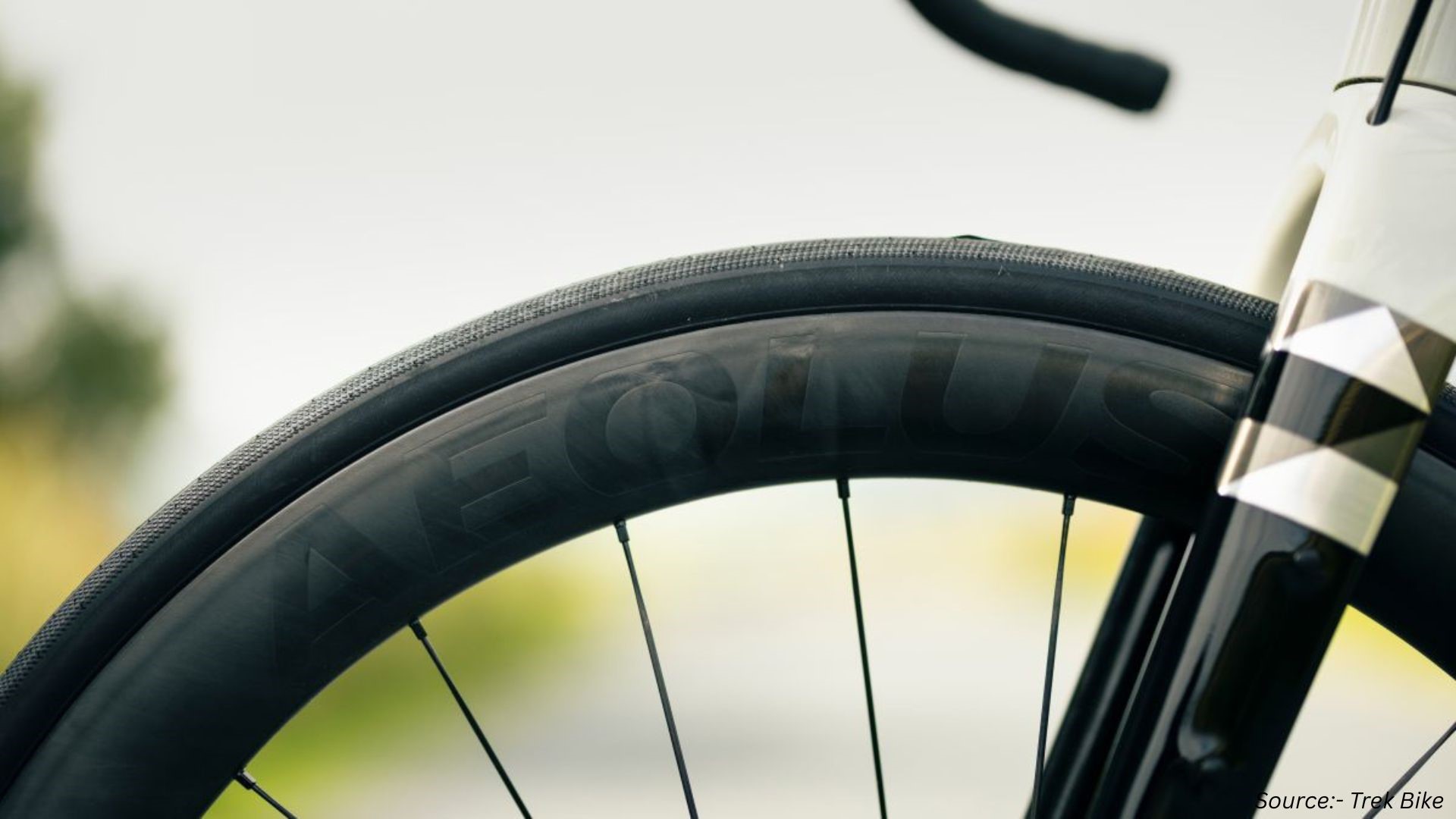

The world of high-performance wheels is steadily shifting from traditional metals to advanced composites. Once reserved for elite professional athletes, carbon fiber technology is evolving rapidly, making strides in both accessibility and application. The developments of 2024 and 2025 highlight a clear trend: carbon wheels are not just about shedding weight; they are about intelligent design, strategic material use, and forging new paths in multiple industries. This year, significant announcements from the cycling realm and the automotive sector underscore a shared commitment to pushing the boundaries of what carbon wheels can achieve. We will explore these latest innovations, separating the marketing hype from the tangible engineering benefits.
Engineering for Adventure: The Cycling Sector’s Refined Focus
In the cycling world, the latest carbon wheel releases demonstrate a move beyond pure road racing toward specialized, durable designs for diverse terrain. A standout example is Deda Elementi’s 2024 launch of its Allroad carbon wheelset, engineered specifically for gravel and all-road cycling. This wheelset features a 25mm internal rim width and a “Shark Tooth” rim profile, which is designed to optimize performance with wider tires up to 50c, highlighting a focus on versatility and mixed-surface capability. The commitment to long-term performance is further evidenced by the inclusion of hybrid ceramic bearings in the hubs, which are claimed to offer lower rolling resistance and greater longevity compared to standard steel bearings.
Perhaps the most significant technical detail is Deda’s use of a “Multi Profile Design Lay-Up” for the carbon fiber. This manufacturing technique involves arranging the carbon fibers in varying directions and densities throughout the rim structure. The result is a carefully balanced wheelset where engineers can fine-tune specific areas for stiffness, compliance, and impact resistance, moving away from a one-dimensional pursuit of lightness toward a holistic approach to ride quality and durability.
Scaling New Heights: Automotive Industry Partnerships
Parallel innovation is occurring on four wheels. A major strategic partnership announced in early 2025 aims to accelerate the development and production of next-generation carbon fiber wheels for the automotive market, encompassing both passenger and commercial vehicles. This collaboration directly addresses the historical barriers to widespread carbon wheel adoption, namely high cost and limited production capacity. A stated core objective of the alliance is to reduce the overall cost of carbon wheel technology through advanced, efficient manufacturing processes.
Furthermore, the partnership is focused on establishing a scalable and sustainable supply chain. This is a critical step for transitioning carbon wheels from low-volume, high-cost applications in hypercars to broader market availability. The driving performance rationale behind this push is the reduction of unsprung mass the weight of wheel and suspension components not supported by the vehicle’s springs. Reducing this mass is a well-understood method for improving vehicle efficiency, handling, and braking performance, which the partnering companies cite as a key benefit of their technology.
Evaluating the Tangible Advantages and Practicalities
The core advantages of carbon wheels stem from the material’s fundamental properties. The exceptional strength-to-weight ratio allows for significant reductions in rotational and unsprung mass. This translates to more immediate acceleration, improved braking performance, and enhanced suspension responsiveness as the wheels can react more quickly to road imperfections. In cycling, aerodynamics play a crucial role; shaped carbon rims can be engineered to significantly reduce aerodynamic drag, conserving a rider’s energy at higher speeds. The material also allows for impressive lateral stiffness, creating a direct and responsive connection between power input and forward motion.
However, these benefits come with important practical considerations. Carbon wheels represent a premium investment in both cycling and automotive contexts. While strong, carbon fiber can react differently to sharp, localized impacts compared to metals like aluminum, making informed care and occasional inspection important. For cyclists, it is also vital to differentiate between braking systems; modern carbon wheels designed for disc brakes eliminate the wet-weather performance concerns historically associated with carbon rim brake surfaces.
Your Next Steps: Navigating the Carbon Wheel Decision
If the evolving landscape of carbon wheels has piqued your interest, here are actionable steps to make an informed decision. First, precisely define your primary use case. Your specific discipline whether it is competitive road cycling, gravel exploration, or seeking automotive handling improvements will dictate the necessary wheel specifications, from rim dimensions to durability features. Second, research the underlying engineering, not just the brand name. Look for specific technical details on rim profiles, hub technology, and carbon layup processes, as credible manufacturers provide this transparency.
Third, factor in the total cost of ownership by inquiring about warranty coverage, repair policies, and the long-term availability of proprietary replacement parts. For those interested in automotive applications, it is wise to monitor the progress of the large-scale manufacturing partnerships announced in 2025, as their success in creating a scalable supply chain will be the true indicator of mainstream viability. Finally, always prioritize information from original equipment manufacturers (OEMs) and official technical announcements to ensure you are basing your decision on credible, verified data.
About the author:
Joydeep Dey is a seasoned SEO Executive, Content Writer, and AI expert with over 2½ years of experience in digital marketing and artificial intelligence. He specializes in SEO strategy, impactful content creation, and developing data-driven, AI-powered solutions that enhance online visibility and engagement. With a strong foundation in natural language processing and emerging AI technologies, Joydeep is known for simplifying complex concepts into clear, actionable insights. He can be reached at info@nextmsc.com.